Shaping the future of Supported Independent Living
13 January 2026
AnglicareSA’s Disability and Wellbeing Services team is working to help shape the future of Supported Independent Living (SIL) services as part of a National Disability Insurance Agency (NDIA) pilot project.
As one of 44 providers across the country chosen to participate in the 12-month pilot, AnglicareSA is evaluating the features of quality service provision while also examining the costs and outcomes associated with providing these supports, including those for participants with complex needs.
Judi Kammerman, Senior Manager, Supported Community Living, said the pilot project was a result of the NDIA recognising that the costs of delivering those supports were not necessarily funded through existing National Disability Insurance Scheme (NDIS) pricing.
“The first quarter of the pilot from July was compiling general information on our service model, and high-level financial data, with the second quarter looking in more detail at workforce composition, employment arrangements, staffing, rostering, occupancy, and revenue, as well as unfunded supports,“ Judi said.
“The third and fourth quarters across the next six months to the end of June will focus on more complex health supports, including mental health and psychosocial health.”
AnglicareSA currently has 79 SIL customers with plans to grow this number in the coming years, providing vital supports for customers and their families.
Short-, medium-, and long-term supported accommodation options are available for people aged 18 and over, with experienced and qualified support workers available to support customers to live as independently as possible.
The SIL team works with customers to learn new skills and broaden current ones while also connecting with others to build relationships, make new friends, and promote social participation in the wider community.
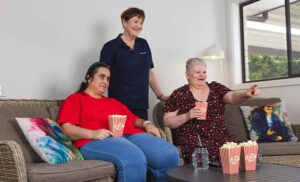
Supported Independent Living, Judi said, was all about families having someone there to support their loved ones when they could not, or when a customer did not have family.
“A lot of our customers don’t come into our SIL program until they are aged past their 30s when Mum and Dad are starting to age a little bit,” Judi said.
“They start to think about what the future looks like for their loved ones when they are not around and SIL helps individuals to build a level of independence away from the family home and sets them up for the future.”
With the SIL pilot focused on making sure NDIS participants can access the quality support they need, Judi said AnglicareSA welcomed the opportunity to be part of a broader outcome that could potentially deliver a pricing structure in the future that reflected different levels of quality or complexity.
“It gives us a voice at the table, and it is an opportunity for us to shape the future of SIL supports across the whole sector from a practise perspective as well as a pricing perspective.
“We are not going to see any outcomes of this in the short term; there are still six months to run in the pilot, and I would imagine it would be at least another 12 months for any change to happen, but at least we will have had the opportunity to help influence that change.”