Ready for school
24 October 2025
Four-year-old Kaden is transitioning into primary school with newfound confidence and pride, thanks in part to autism inclusion strategies woven into AnglicareSA’s HIPPY (Home Interaction Program for Parents and Youngsters) program.
HIPPY is a free, two-year, home-based early learning program supporting parents to prepare their children for school. As part of the program, trained HIPPY tutors support parents in their community to extend their parenting skills and introduce play-based learning activities with their children.
Kaden was one of 44 children to graduate from HIPPY in a special ceremony held annually at the Adelaide Zoo.
His proud mum Laetecia said HIPPY’s focus on autism inclusion this year had made a real difference not just to her as a parent of an autistic child, but also for other HIPPY families navigating autism.
“Other parents in the program and I had expressed that we need more support in this space,” Latesha said.
Early Childhood Coordinator Anna Jerram said she had noticed more HIPPY families with children who were autistic who said they were seeking additional support, which is why she engaged with the Outreach AnglicareSA Therapeutic Services (OATS) team based within AnglicareSA’s Autism Services for assistance.
As part of the collaboration, the OATS team shared resources and knowledge about autism with HIPPY tutors and families through a series of dedicated information sessions, while autism inclusion strategies were also woven into the HIPPY program.
AnglicareSA Senior Therapist, Kathryn Kulesza, said the information sessions, which covered topics like emotional regulation, communication development, inclusive learning environments, sensory processing, scaffolding learning, and navigating the NDIS, could benefit all tutors and parents.
“We are teaching tutors and families skills that can translate to preschool, school, and beyond,” Kathryn said. “It is about looking at children’s development and behaviours through a supportive lens.”
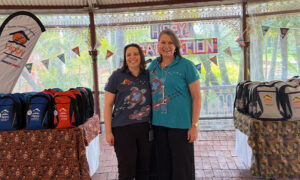
Laetecia said the information provided in the sessions had been beneficial.
“I know of other families who were at the beginning of a diagnosis and really needed the information sessions,” she said.
“For some, it was an opportunity to get their child assessed for a diagnosis, before they transition into school.”
In addition to autism inclusion being made a part of HIPPY, Laetecia said the coursework and fortnightly social gatherings with other families had helped Kaden improve his social skills and prepare for the transition into school next year.
“HIPPY helped him with school readiness,” she said.
“Over the two years, we have noticed a big difference in him.
“The HIPPY booklets have been good for one-on-one interactions with him at his own pace, and we were able to alter our booklet to suit his abilities and interests, like dinosaurs.
“He’s much better at picking up social cues after attending the social gatherings as well.
“He is excited for school.”